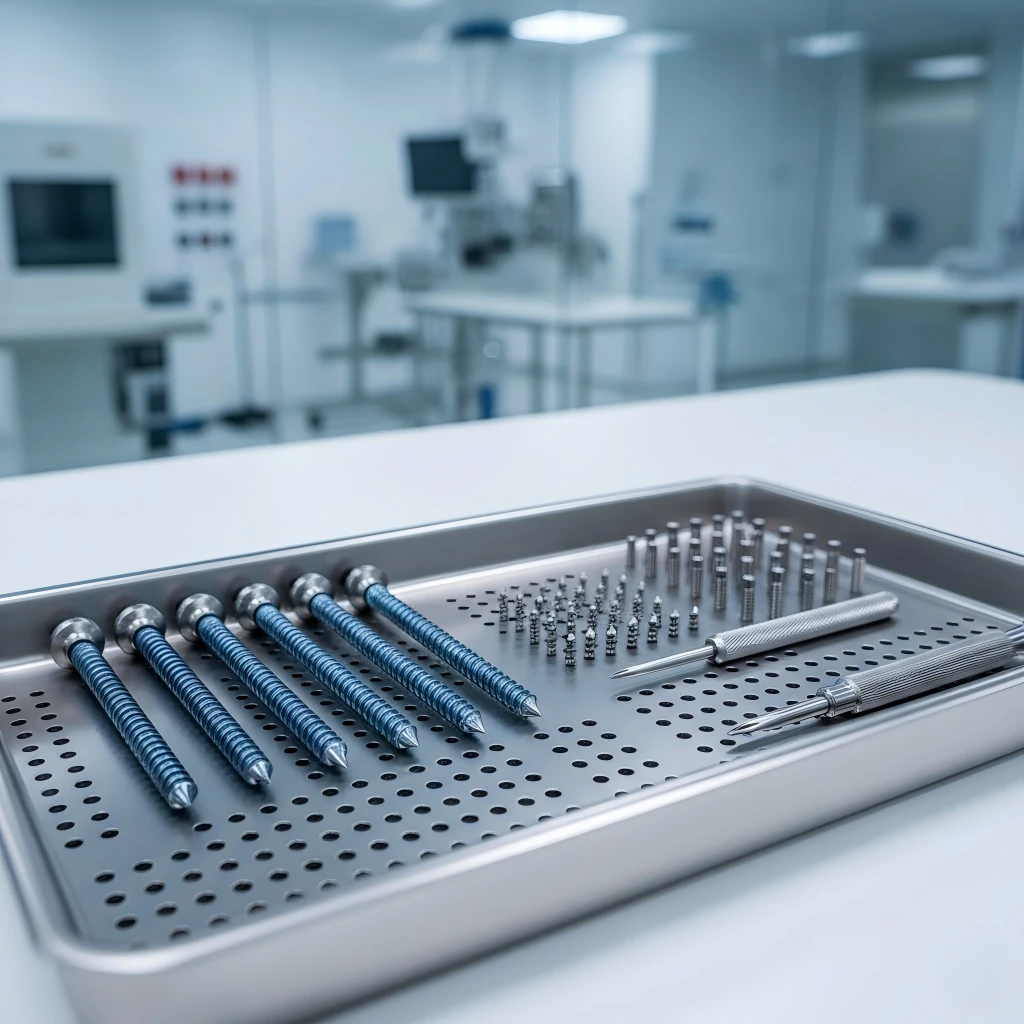
Man, nothing kills a good trauma case faster than grabbing a screw that just doesnt grab the bone right. Ive been knee deep in catalogs and OR feedback for years, and the 4.0mm cancellous screw keeps popping up as that quiet hero for all the soft spongy spots. If youre hunting solid 4.0mm cancellous screw specs so you can stock the right small fragment screws or just understand why they work so well in metaphyseal fracture fixation, stick around. This isnt textbook fluff. Its the stuff that actually shows up on the table.
Why These Specs Matter More Than You Think
Cancellous bone is basically a sponge inside the ends of long bones and flat spots like the wrist or ankle. Cortical screws with their fine threads just slide out. These 4.0mm guys have deeper threads and a wider pitch so they bite hard and stay put. OrthoPro machines them to the exact same geometry every time, whether titanium or stainless, and that consistency is what keeps distributors from getting angry phone calls six weeks later.
The low profile head and self-tapping tip save real time in the OR. No extra tapping step, less chance of stripping. Ive seen surgeons switch suppliers and suddenly their cases run 10 minutes smoother just because the drive and thread match what they expect.
Straight From the Catalog: Exact 4.0mm Cancellous Screw Specs
Here are the numbers you actually need when youre comparing quotes or building kits. Pulled straight from what OrthoPro lists because guessing gets expensive fast.
- Screw diameter: 4.0 mm
- Head diameter: 6.0 mm low-profile
- Hex drive: 2.5 mm (standard small-fragment driver)
- Drill bit: 2.5 mm for the threaded hole
- Thread pitch: wide and deep (designed for max surface area in spongy bone)
- Thread styles: full thread or partial (1/2 or 1/3 thread length)
- Lengths: 10 mm up to 60 mm, stepping 2 mm early then 5 mm jumps
- Materials: Titanium Alloy Ti6Al4V (anodized) or Stainless Steel 316L
- Self-tapping: yes on most models
- Packaging: sterile or non-sterile options
That 2.5 mm drill size isnt random. Studies on cancellous screws show a smaller pilot hole like this gives noticeably better pull-out strength than oversized ones. One older paper even found the hold jumps when you stick to the recommended 2.5 mm instead of going 3.2 mm. Makes sense. Less bone removed, more threads biting.
Thread Design That Actually Holds in Soft Bone
The deep thread and wide pitch are the real magic. They increase contact area so the screw doesnt migrate in osteoporotic or metaphyseal zones. OrthoPro calls it out plain: this setup prevents loosening where a cortical screw would fail.
Some suppliers cheap out on the profile and you end up with stripped heads or screws backing out after a few weeks. Not these. The hex drive transmits torque clean, and the low-profile 6.0 mm head sits flush without irritating skin over the ankle or wrist. Little details, but they add up when youre shipping thousands.
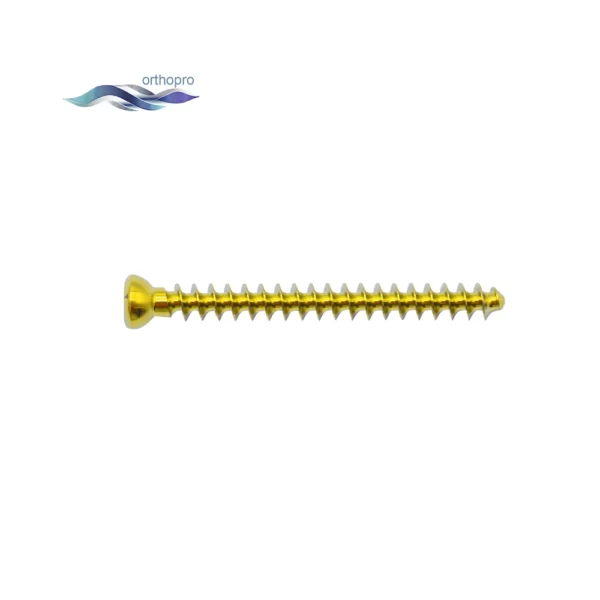
4.0mm Cancellous Screw for Metaphyseal Bone Fracture Fixation – Titanium and Stainless Steel Orthopedic Small Fragment Implants | OrthoPro
The 4.0mm Cancellous Screw is engineered for optimal fixation in spongy, metaphyseal bone during orthopedic trauma surgeries. This 4.0mm cancellous screw provides superior pull-out resistance and interfragmentary compression for small fragment fractures. OrthoPro offers high-quality 4.0mm cancellous bone screws in various thread configurations to ensure surgical precision and patient recovery.
Partial vs Full Thread – Pick the Right One or Regret It
This choice changes everything depending on the fracture. Heres a quick table so you dont have to scroll back and forth:
| Situation | Partial Thread (1/2 or 1/3) | Full Thread |
|---|---|---|
| Best use | Lag compression across gaps | Holding position in short segments |
| Compression power | High – pulls fragments tight | Low – relies on plate or washer |
| Typical lengths | 30–60 mm | 10–30 mm |
| Pull-out in soft bone | Excellent because threads sit deep | Solid but more even load spread |
| Common spots | Ankle malleolus, proximal humerus | Small avulsions, pediatric cases |
Most small fragment sets I see stocked lean heavy on partial thread versions. They just move faster for metaphyseal fracture fixation where surgeons want that extra squeeze.
Where These Screws Show Up Every Day in Real Cases
OrthoPro lists the main spots and they match what Ive seen importers moving:
- Malleolar fractures (medial or lateral ankle)
- Proximal humerus – holding the head in multi-part breaks
- Tibial plateau – securing depressed fragments or grafts
- Tarsal and metatarsal bones in foot reconstruction
- Distal radius wrist trauma
The 4.0 mm size sits perfect between too small (3.5 mm cortex slides out) and too big (6.5 mm needs bigger holes). One importer I know in Colombia switched his ankle kits to these and cut his revision rate because the deep thread grabbed osteoporotic bone way better. Patients walked sooner, hospitals stayed happy.
Its kinda controversial but some surgeons still push all-titanium sets because of the marketing. Honestly stainless 316L gives you tougher torque resistance in heavy patients and costs less. Both work fine if the specs match.
Material Choices – Titanium or Stainless, Which Wins?
Titanium Alloy Ti6Al4V gets anodized to cut ion release and plays nicer with MRI. Stainless 316L is cheaper and sometimes stronger under pure bending. OrthoPro offers both under the exact same 4.0mm cancellous screw specs so you can mix based on your market.
Most of my B2B buyers start with titanium for Europe and North America exports, then keep stainless for cash-pay hospitals in Latin America. Saves inventory headaches when everything else lines up.
Full Length Range You Can Actually Order
No more guessing what fits. OrthoPro stocks:
10–30 mm in 2 mm steps Then 35, 40, 45, 50, 55, 60 mm in 5 mm jumps
Partial thread versions scale the threaded portion so the smooth shank sits right for lag technique. That alone makes kit building way easier.
How to Avoid the Common Screw-Ups Importers Still Make
- Using the wrong drill bit – 3.2 mm instead of 2.5 mm kills pull-out fast
- Mixing partial and full thread in the same set without labeling
- Assuming all 4.0 mm screws have the same pitch (they dont)
- Ignoring washer compatibility on really soft bone
Get these right and 90 % of headaches disappear. I watched one buyer lose a whole container because the threads varied 0.3 mm across batches. Switched to OrthoPro and never looked back.
The Bigger Picture – Why Stocking These Specs Pays Off
Recent reports from Fortune Business Insights put the global orthopedic implants market at USD 49.73 billion in 2025 and heading toward USD 80.44 billion by 2034. Thats a lot of small fragment sets moving, especially for metaphyseal work as populations age and trauma cases rise.
Distributors who nail the 4.0mm cancellous screw specs grab bigger slices because hospitals want reliable inventory that matches what surgeons already know.
OrthoPro Keeps It Simple
Theyve got low minimum orders, fast samples, and the same geometry every surgeon expects. You can even do OEM if you want your own branding. The product page lays out everything clear so you dont have to chase emails for basic measurements.
Check the full lineup yourself at the 4.0mm Cancellous Screw page. Everything matches what I listed.
Ready to Get Your Kits Sorted?
If youre tired of suppliers who promise specs then deliver something close but not quite, OrthoPro is worth testing. Drop an email to info@orthopro.mx or hit the contact page. Tell them what lengths and material you need for your next order – theyll send pricing, samples and the full spec sheet quicker than most places even reply.
Your next metaphyseal case (or your customers) will go smoother, and that extra confidence is worth it.
FAQ
Q1: Whats the real drill size for 4.0mm cancellous screws? Stick to 2.5 mm for the threaded part. Going bigger like 3.2 mm weakens the hold a lot – studies back that up.
Q2: Can these work for pediatric metaphyseal fractures? Yes, especially around the ankle or elbow in older kids. The 4.0 mm size is big enough to hold but small enough not to wreck growth plates when used right.
Q3: Partial thread or full – which moves faster in small fragment sets? Partial thread for sure. Most surgeons want that compression for malleolar and humerus work so those versions fly off the shelf first.
Q4: Titanium always better than stainless? Not always. Stainless gives great torque strength and costs less. Depends on the patient and your market – both are solid if the specs match.
Q5: Do they come sterile and with implant cards? Sterile packs are available and they include everything needed for traceability. Saves your end customers extra steps.
Bottom line, lock in accurate 4.0mm cancellous screw specs and your small fragment game levels up. Reach out to OrthoPro today and tell them you read this – theyll know exactly what youre after and get you moving fast.