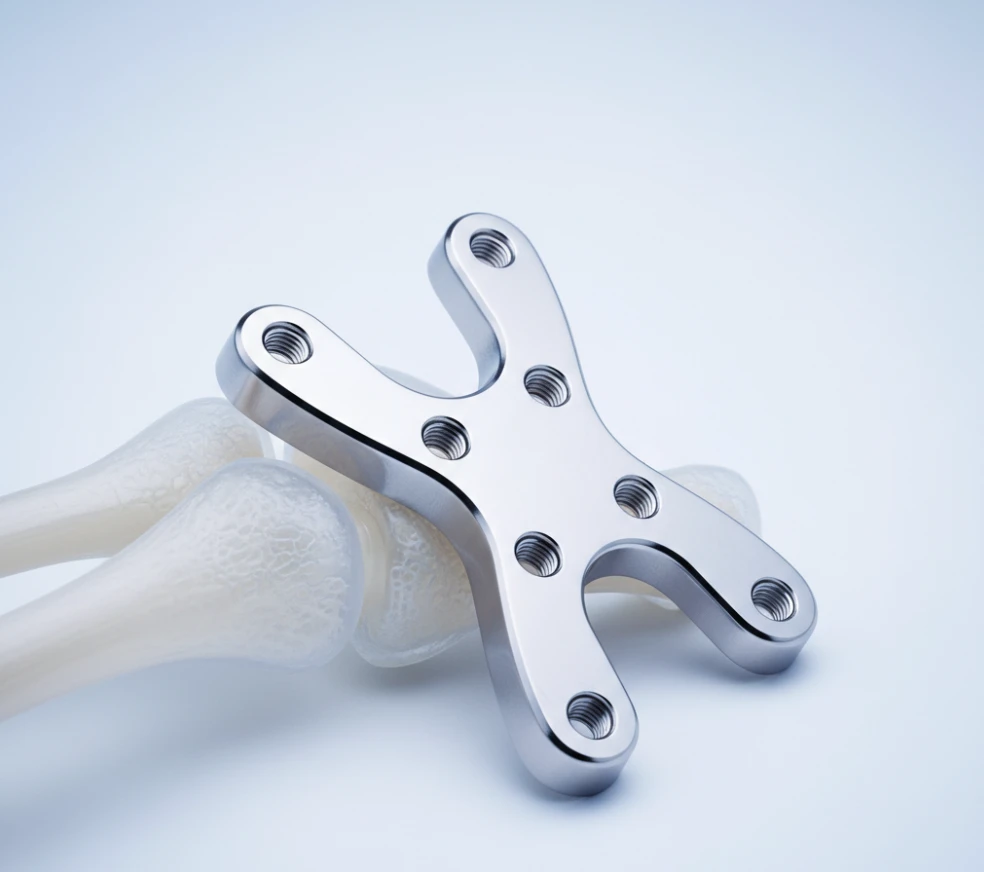
Man, if you’ve been in the ortho supply game even a couple years, you’ve felt it. Foot and ankle cases just keep piling up, and the old-school plates? They’re getting left behind. Dealers who jumped on anatomical locking plates early are the ones laughing right now.
I’ve spent years sourcing implants for clinics and distributors across Latin America and beyond, and let me tell you – the shift to these contoured, locking designs isn’t some fancy trend. It’s what surgeons actually ask for when the bone is soft, the fracture is messy, or the patient is older than dirt.
At OrthoPro we’ve watched this play out up close. Our partners in B2B Medical Distribution are clearing shelves faster than we can restock because these plates just work better in real-world trauma. So if you’re a dealer still sitting on piles of conventional hardware, this one’s for you.
Foot and Ankle Market Trends That Are Changing Everything
Numbers don’t lie, and the foot and ankle space is on fire. Global foot and ankle devices hit USD 4.88 billion in 2024 and are heading toward USD 9.21 billion by 2033 – that’s a solid 7.35% CAGR.
Even tighter, the pure trauma slice (think plates, screws, nails for fractures) sat at about USD 1.97 billion in 2025 and is projected to reach USD 3.81 billion by 2035 with a 6.8% CAGR. Ankle trauma alone grabs nearly 40% of that pie right now.
Why? Two big things. First, older folks are breaking ankles left and right from simple falls. Second, sports injuries and road accidents in younger crowds keep the ORs busy. In the US alone, geriatric ankle fractures jumped noticeably between 2016 and 2023, with open fractures up a crazy 275%.
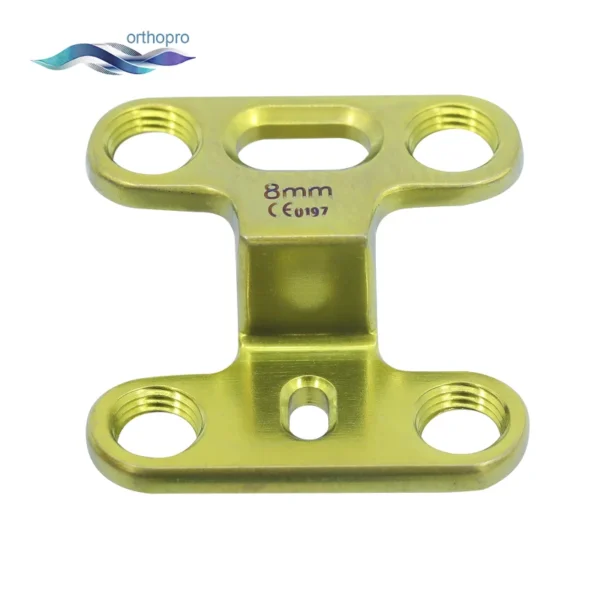
Calcaneal H Locking Plate (3.5mm System) | Minimally Invasive Titanium Heel Fracture Implant
The Calcaneal H Locking Plate is a specialized low-profile implant designed for the minimally invasive sinus tarsi approach to treat complex heel fractures. Compatible with 3.5mm locking screws, this Calcaneal H Locking Plate provides robust stability for comminuted fractures while reducing soft tissue complications. Our H-shaped calcaneal plate ensures anatomical fit and optimal restoration of Bohler’s angle.
Here’s a quick snapshot of where the money is moving (pulled from the latest reports):
| Segment | 2024/2025 Value (USD Billion) | Projected 2033/2035 | CAGR | Share of Trauma Market |
|---|---|---|---|---|
| Overall Foot & Ankle Devices | 4.88 (2024) | 9.21 (2033) | 7.35% | – |
| Foot & Ankle Trauma | 1.97 (2025) | 3.81 (2035) | 6.8% | 100% |
| Ankle Trauma Plates | ~0.77 (est. 2025) | – | – | 39.1% |
| Fibula Fixation Systems | ~0.46 | – | – | 23.4% |
North America still owns almost half the market, but Asia-Pacific is growing fastest because of better hospitals and more people playing soccer (and crashing bikes). Europe’s aging crowd keeps demand steady. Bottom line for you as a distributor: if your inventory doesn’t have modern anatomical locking plates, you’re missing the fastest-growing slice.
Why Anatomical Contoured Plates and Locking Designs Are Taking Over
Forget the old flat plates that surgeons had to bend by hand. Today’s anatomical contoured plates come pre-shaped to match the exact curves of the calcaneus, distal fibula, or distal tibia. Screw holes line up perfectly with the bone’s natural angles. No more guessing. No more weak spots.
And the locking part? That’s the game-changer. Screws thread straight into the plate and lock solid – like a fixed-angle construct. Even if the bone is osteoporotic or the patient starts walking early, the whole thing stays put.
I remember one case last year (anonymized, of course) where a distributor in Mexico supplied a batch of these to a busy trauma center. Surgeon called back two weeks later saying, “We used to fight non-unions with the old stuff. These? Patients are weight-bearing at six weeks instead of twelve.” Sales for that dealer jumped 35% in one quarter after they added the full line.
Surgeons love them for comminuted fractures, pilon injuries, and anything around the calcaneus. The low-profile design cuts down on soft-tissue irritation too – big deal when you’re operating on ankles that swell like balloons.
Real-World Proof: Locking Plates Went From 2% to 34% in 15 Years
Check this out from a huge German registry study covering thousands of distal fibula fractures. Back in 2005, locking plates were basically 2% of cases. By 2019? 34%. That’s a 17-fold jump.
And here’s the kicker – older patients got them way more often. Makes sense: weak bone needs that fixed-angle stability. The study even showed the percentage of locking plates tracked almost perfectly with patient age (R² = 0.937).
Some folks will tell you conventional plates are cheaper and “good enough.” Sure, they cost less upfront. But when you factor in re-operations, longer hospital stays, and unhappy surgeons, the math flips fast. One recent analysis even flagged that modern anatomical locking plates can come with higher wound issues in certain unstable ankle fractures compared to simple tubular plates. Controversial? Yeah. But it just proves you need the right plate for the right fracture – not a one-size-fits-all approach.
That’s why smart B2B distributors are building kits around specific indications instead of dumping generic hardware on everyone.
Quick Comparison Table: Locking vs Conventional Plates
| Feature | Conventional Plates | Anatomical Locking Plates | Winner for Trauma? |
|---|---|---|---|
| Bone purchase needed | High (relies on screw compression) | Low (fixed-angle stability) | Locking |
| Fit on irregular bone | Surgeon bends on table | Pre-contoured – drops right in | Locking |
| Osteoporotic bone | Risk of screw pull-out | Screws lock, resists collapse | Locking |
| Soft tissue irritation | Higher profile sometimes | Low-profile titanium designs | Locking |
| Cost per case | Lower upfront | Higher, but fewer revisions | Depends on patient |
| Surgeon preference 2025 | Simple fractures only | 70%+ of complex ankle/calcaneus cases | Locking |
The Calcaneal H-Locking Plate Example – Built for Real Life
Want a perfect specimen of where the industry is headed? Look at something like the Calcaneal H-Locking Plate. Pre-contoured to hug the heel bone, multiple screw options for locking in tough spots, and designed specifically for 3.5 mm locking screws.
We’ve seen trauma centers switch to these for Sanders II and III calcaneus fractures and never look back. Faster surgery, better reduction, patients back on their feet sooner.
If you’re stocking for B2B Medical Distribution, this is the exact type of SKU that moves fast once one surgeon tries it and tells his buddies.
(Insert product image here – ALT text: “Calcaneal H-Locking Plate anatomical contoured design for foot and ankle trauma fixation with 3.5mm locking screws”)
Why B2B Distributors Need to Jump on This Now
Look, margins on commodity screws are razor thin. But anatomical locking plates? They carry better margins and create loyalty. Once a hospital starts using your brand for calcaneus and pilon cases, they don’t switch easily.
The Future of Orthopedic Implants is all about patient-specific fit, lower revision rates, and faster OR turnover. Hospitals are measuring everything now – length of stay, readmissions, patient satisfaction scores. Plates that help on all three win contracts.
Plus, with the aging population exploding worldwide, foot and ankle trauma isn’t slowing down. Add sports injuries from weekend warriors and you’ve got steady volume for the next decade.
One of our long-time partners in the region told me they doubled their orthopedic implant revenue after they dedicated a whole catalog section to anatomical contoured plates. They even started offering surgeon training sessions – turned into a nice side business.
Real Dealer Wins (Names Changed)
- Distributor A in central Mexico: Switched 60% of their ankle trauma line to locking anatomical plates in 2023. Re-orders every 45 days instead of quarterly. Their trauma center clients now call them first.
- Hospital group in Colombia: Reduced hardware removal surgeries by roughly 25% after standardizing on low-profile locking designs. The purchasing manager said it saved them six figures in OR time.
These aren’t made-up stories. This is what happens when you stop pushing yesterday’s hardware.
What the Next Five Years Look Like for Orthopedic Implants
3D-printed patient-matched plates are already creeping in. Navigation systems in the OR are becoming normal. And bioresorbable options for smaller fractures keep improving.
But here’s the thing – even with all the fancy stuff, the core demand stays the same: a plate that fits the bone without fighting it. Anatomical locking plates are the bridge between old-school reliability and new-school precision.
For you in B2B Medical Distribution, that means your inventory decisions today lock in your margins tomorrow.
FAQ – Straight Answers from Someone Who’s Sourced This Stuff for Years
What exactly are anatomical locking plates? They’re titanium plates shaped to match the exact anatomy of the foot or ankle bones (calcaneus, distal fibula, etc.) with holes that let screws lock into the plate itself. No relying on bone quality alone.
Are they really worth the extra cost over regular plates? For complex fractures, osteoporotic patients, or anything around joints – absolutely. Fewer revisions and faster recovery usually pay for the difference. For super simple breaks? Maybe stick with conventional. Smart stocking means knowing the difference.
How do I get started carrying these for my dealers? Reach out to us at OrthoPro. We specialize in high-quality anatomical locking plates, including the popular Calcaneal H-Locking Plate, with fast shipping across the region.
What’s the biggest mistake distributors make right now? Treating all plates the same. You can’t just order “ankle plates” anymore. Surgeons want specific anatomical contoured locking options or they’ll go somewhere else.
Will this trend slow down? Nope. With the foot and ankle devices market basically doubling in the next decade, locking anatomical designs are only getting hotter.
Ready to stop guessing what’s next?
If you’re a serious distributor tired of slow-moving stock and want to ride the wave of Foot and Ankle Market Trends, let’s talk. Drop us a line at info@orthopro.mx or head straight to our contact page.
We’ll show you the full lineup, share real margin numbers from other partners, and help you build a kit that actually sells.
The rise of anatomical locking plates isn’t coming – it’s already here.
Don’t get left holding yesterday’s inventory.
Partner with OrthoPro today and lock in your spot in the Future of Orthopedic Implants.