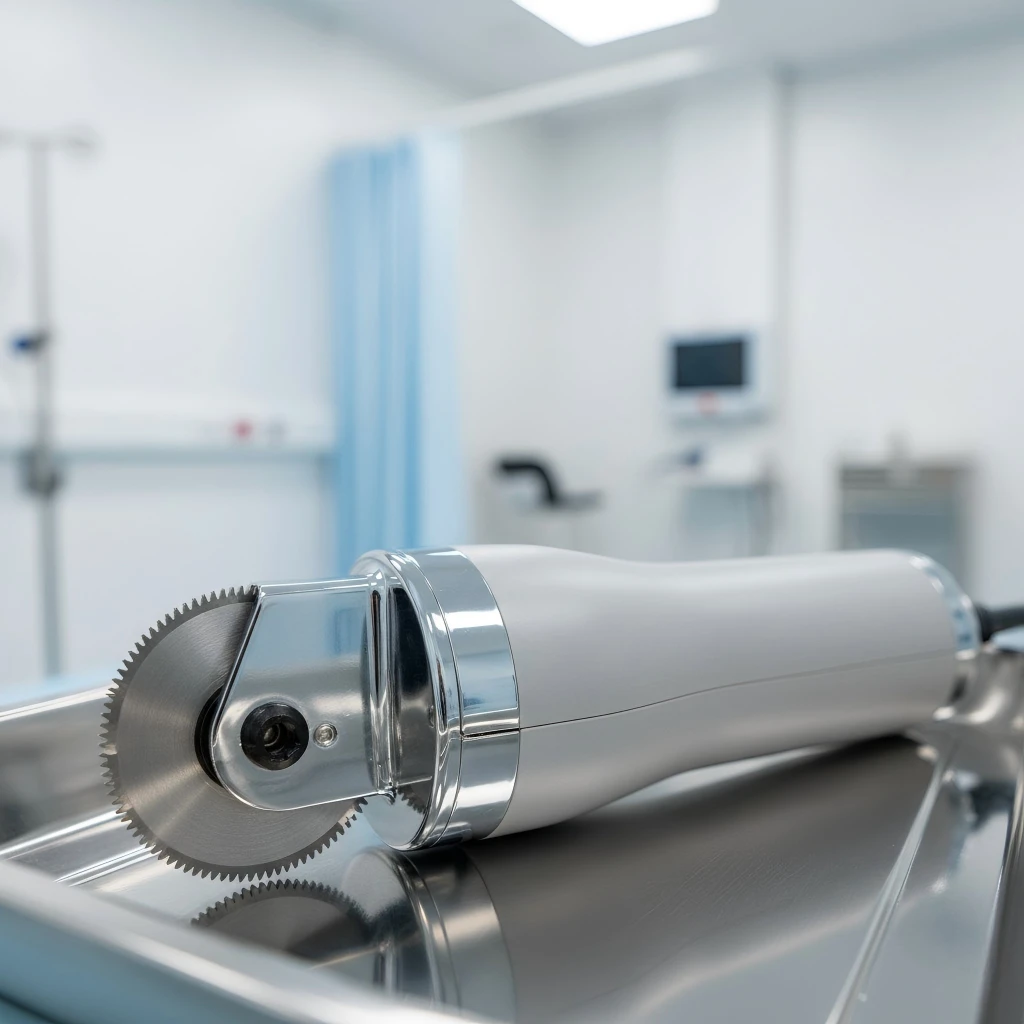
Look, if you’re responsible for stocking up on orthopedic tools for a hospital or clinic, you already know the pain of a bad batch of cast cutters. One week they’re humming along fine, the next you’re dealing with screaming noise, blades that dull in days, or worse – techs complaining about hand fatigue after a long shift. I’ve spent years helping clinics sort through medical power tools, and when it comes to bulk buy cast cutters, the difference between a smart purchase and an expensive headache usually comes down to seven specific things.
Not the flashy marketing stuff. The real-world details that show up once the boxes are unpacked and the saws are in daily use. We’ll walk through each one, with the exact specs that actually matter, why they count for high-volume work, and how to spot the good ones. By the end you’ll have a clear checklist you can take straight to your procurement meeting.
1. Oscillation Frequency and Adjustability
This is probably the first electric plaster saw specification buyers look at, and for good reason. Most decent cast cutters run between 11,000 and 18,000 oscillations per minute. Too low and you’re sawing forever on thick fiberglass; too high without control and you risk heat buildup.
The adjustable range is what separates the pros from the toys. Our OrthoPro electric plaster saw, for example, gives you ≥11,000 to 18,000 cycles per minute with a swing angle of 4.5–6.0 degrees. That flexibility means your team can dial it down for pediatric casts or crank it up for adult body casts without swapping tools.
In bulk buys this matters because you’re not just buying one or two units – you’re buying dozens that need to handle every cast type your ortho department sees. Fixed-speed models force techs to fight the tool, which leads to sloppy cuts and more replacement blades. I’ve watched clinics waste money replacing entire fleets after six months because they skimped on this spec.
Quick evaluation tip: Ask for the exact oscillation range and swing angle in the spec sheet. Anything under 11,000 or without adjustment is a red flag for bulk hospital use.
2. Noise Level – Because Nobody Wants a Jet Engine in the Casting Room
Nobody talks about this enough, but noise is a deal-breaker in pediatric wards and busy clinics. Good medical power tools now target ≤85 dB, with the better ones hitting around 63 dB. That’s the difference between “conversation level” and “everyone needs ear protection.”
Lower noise keeps patients calmer – especially kids who already hate the whole cast removal process. It also means your staff isn’t burning out from constant exposure during back-to-back procedures. Real-world data from hospital settings shows that quieter tools reduce patient anxiety and improve compliance with follow-up visits.
When you’re bulk buying cast cutters, factor in how many procedures your team runs daily. A saw that’s 10-15 dB louder might seem minor until you multiply it across 50 removals a day. The OrthoPro model we supply stays under 85 dB while still delivering full power, and clinics tell us it makes a noticeable difference in daily workflow.
3. Vibration Control and Ergonomics
Here’s something that hits different once you’ve held the tool for hours. Lightweight (around 1.3 kg) and slim-body designs with good balance reduce hand fatigue big time. Add low vibration through better motor dampening and you’ve got techs who can actually finish their shift without sore wrists.
Most cheap imports feel like they’re trying to shake your arm off after 10 minutes. In bulk purchases this translates directly to fewer sick days, lower error rates, and longer tool life because operators aren’t gripping them like they’re fighting a wild animal.
Look for double insulation (Class II) and optimized mechanical structure. The saw should feel balanced, not front-heavy. Ergonomics might not show up in the glossy brochure, but it shows up in your monthly maintenance logs.
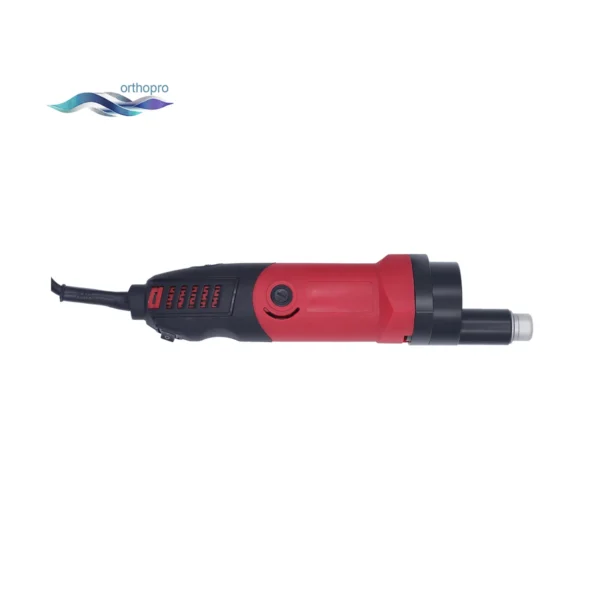
High-Efficiency Electric Plaster Saw for Orthopedic Cast Removal – Professional Medical Oscillating Cast Cutter for Hospitals and Wholesale
Our high-speed electric plaster saw is engineered for the safe and efficient removal of orthopedic casts and surgical bandages. This durable electric plaster saw features an advanced oscillating safety blade that cuts through rigid materials while protecting the patient’s skin. As a premier supplier, we provide this orthopedic plaster saw to clinics seeking precision, reliability, and ease of use in fracture care.
4. Blade Quality, Material, and Real-World Durability
High-speed stainless steel blades that are autoclavable aren’t optional – they’re essential. Cheap alloy blades dull fast, overheat, and leave rough edges that irritate skin.
Good blades cut clean through both plaster and synthetic casts without switching. Autoclavable means quick sterilization between patients, which is huge when you’re doing high-volume work. In practice, durable blades mean you’re replacing them every few weeks instead of every few days.
For bulk buy cast cutters, calculate total cost of ownership. A slightly higher upfront price on quality blades usually pays for itself in the first quarter through fewer replacements and faster procedures.
| Blade Feature | Typical Cheap Option | Better Spec (like OrthoPro) | Bulk Buy Impact |
|---|---|---|---|
| Material | Basic alloy | High-speed stainless steel | Longer life, fewer replacements |
| Autoclavable | No | Yes | Easier sterilization |
| Compatibility | Plaster only | Plaster + synthetic | Fewer tool swaps |
| Expected life | 20-30 casts | 100+ casts | Lower long-term cost |
5. Safety Features That Actually Protect Patients and Staff
The oscillation technology is the magic here – the blade vibrates back and forth instead of spinning in a full circle. It cuts hard cast material but just vibrates against soft skin. That design alone drops injury risk dramatically.
Research shows cast saw injuries happen 1.3 to 7.2 times per 1,000 casts removed. Proper oscillation, combined with double insulation and controlled swing angle, is what keeps those numbers from climbing in your department.
When buying in bulk, demand proof of safety standards. Class II insulation isn’t marketing fluff – it protects operators from electrical issues in high-use environments. The OrthoPro electric plaster saw uses this exact safety-first oscillation, which is why we trust it for hospital partners. Check it out here if you want the full specs: electric plaster saw.
6. Power, Torque, and Consistency Under Heavy Use
115–125W high-torque motors might not sound exciting, but they’re what let the saw power through thick casts without bogging down. Consistent torque means every cut feels the same, whether it’s the first or the fiftieth of the day.
In bulk scenarios, you need tools that don’t slow down or overheat during morning rush. Universal voltage (110V/220V) is another practical detail – especially if your facilities span different regions.
I’ve seen hospitals buy cheaper 80W models that worked fine for the demo but struggled once real volume hit. The extra watts pay off fast when you’re removing casts all day.
7. Overall Build Quality, Maintenance Ease, and Dust Control
Finally, the stuff that determines how long your bulk investment actually lasts: easy-to-clean design, minimal dust generation, and simple maintenance. High-quality builds with stainless components and optimized mechanics need less downtime for servicing.
Dust reduction matters more than people admit – less airborne particles means cleaner casting rooms and happier respiratory-sensitive patients. For bulk buyers, this means lower cleaning costs and fewer service calls.
The best tools feel overbuilt because they are. They’re designed for the reality of daily hospital