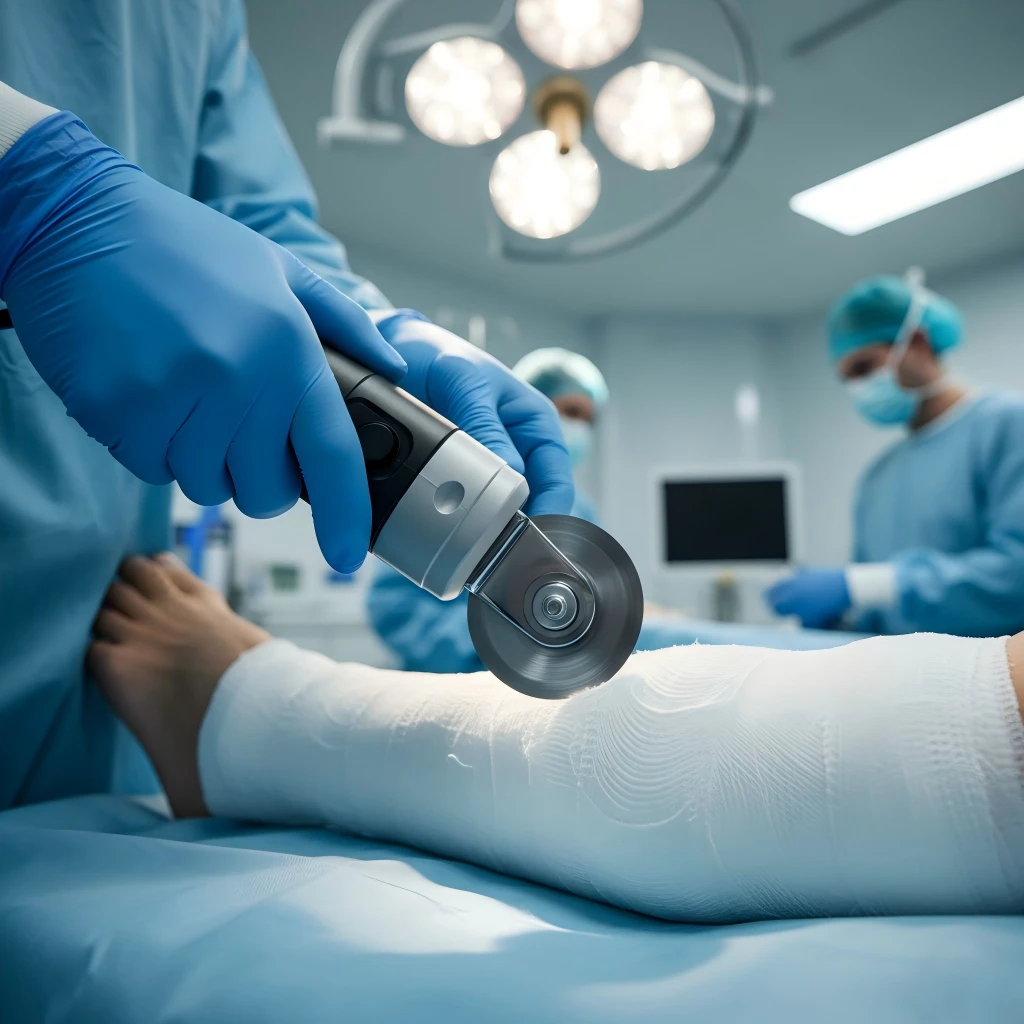
If you’re running procurement for a hospital’s orthopedic department, you already know the drill. Casts pile up, patients wait, and the wrong electric plaster saw can turn a quick removal into a messy, noisy ordeal that stresses everyone out. I’ve helped teams across Latin America sort through suppliers, and honestly, picking the right electric plaster saw supplier isn’t just about price. It’s about reliability, patient safety, and keeping your OR running smooth day after day.
That’s why I put this guide together. We’re talking real-world advice on what actually works when you’re buying medical cast cutters in bulk for hospitals. No fluff, just the stuff that matters when you’re dealing with fracture cases, post-op care, and tight budgets. Let’s dive in.
Why Electric Plaster Saws Are Non-Negotiable in Today’s Hospitals
Hospitals see thousands of casts every year. Fractures don’t slow down, and neither should your team. Electric models beat manual saws hands down because they cut faster, vibrate less, and protect skin way better.
According to Transparency Market Research, the global cast saw devices market sat at roughly US$ 182.8 million back in 2022 and is on track to hit US$ 273.6 million by 2031, growing at a steady 4.6% CAGR. Hospitals drive most of that demand because they handle the heavy lifting in trauma and rehab. Fiberglass casts are popular now, but good old plaster of Paris still shows up plenty, and you need one tool that handles both without swapping blades every five minutes.
The bottom line? A solid electric plaster saw saves time, cuts down on staff fatigue, and keeps patients calmer. I’ve seen ortho departments drop cast removal times by 30-40% just by switching to a proper oscillating model instead of the old vibrating ones that scared kids half to death.
Key Features Every Hospital Should Demand from an Electric Plaster Saw
Not all saws are created equal. Some suppliers push cheap imports that die after a couple months or, worse, nick skin because the blade doesn’t stop fast enough. Here’s what actually matters when you’re vetting medical cast cutter wholesale options.
- Oscillating blade tech: The blade moves back and forth (usually 11,000 to 18,000 cycles per minute) instead of spinning. That’s the secret to cutting rigid material while barely touching soft skin. Swing angle around 4.5 to 6 degrees gives you control without drama.
- Low noise and vibration: Anything over 85 dB starts freaking out patients, especially in peds. Look for models that stay under that.
- Ergonomic grip and lightweight body: Techs use these things all day. A slim handle that doesn’t cramp your hand makes a huge difference.
- Dust control: High-speed cutting kicks up powder. Some units minimize it naturally; others pair with vacuum attachments.
- Universal power and blades: 110V/220V compatibility plus stainless steel blades that autoclave easy. Versatility for both plaster and fiberglass is a must.
Here’s a quick comparison table I throw together for teams when they’re comparing quotes:
| Feature | Why It Matters for Hospitals | What to Check Before Buying |
|---|---|---|
| Oscillation Frequency | Faster, cleaner cuts on thick casts | ≥11,000–18,000 cpm, adjustable |
| Noise Level | Keeps patients (and staff) calm | ≤85 dB |
| Blade Type | Safe on skin, works on POP & fiberglass | Oscillating stainless steel, multiple sizes |
| Power & Voltage | No downtime in mixed-voltage facilities | 115–125W motor, 110/220V universal |
| Safety Insulation | Protects operators in busy ORs | Class II double insulation |
| Dust & Maintenance | Cleaner workspace, less downtime | Low particle output + easy sterilization |
These specs aren’t marketing talk. They’re what separate tools that last years from ones that end up in the repair pile after six months.
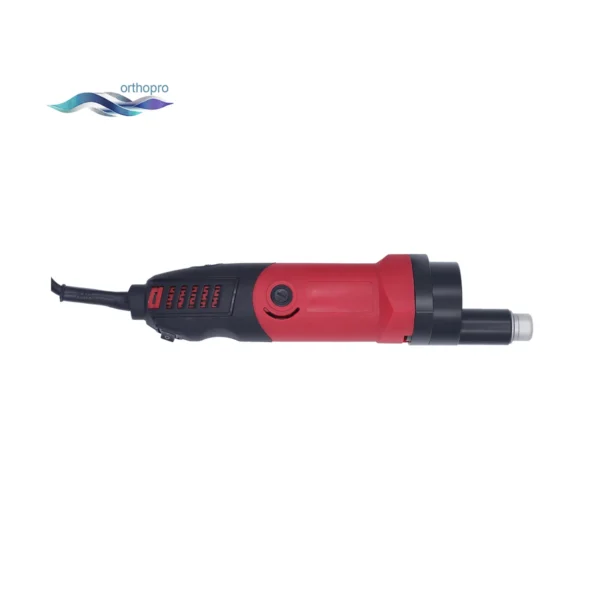
High-Efficiency Electric Plaster Saw for Orthopedic Cast Removal – Professional Medical Oscillating Cast Cutter for Hospitals and Wholesale
Our high-speed electric plaster saw is engineered for the safe and efficient removal of orthopedic casts and surgical bandages. This durable electric plaster saw features an advanced oscillating safety blade that cuts through rigid materials while protecting the patient’s skin. As a premier supplier, we provide this orthopedic plaster saw to clinics seeking precision, reliability, and ease of use in fracture care.
How to Spot a Reliable Electric Plaster Saw Supplier
Plenty of suppliers claim they’re “the best,” but when you’re buying for a hospital you need proof. Here’s the checklist I always run through:
First, certifications. ISO 13485 and CE marks aren’t optional anymore. FDA clearance (even if Class I or II for these devices) gives extra peace of mind if you ship to the US or work with North American partners.
Second, track record with hospitals. Ask for references from similar-sized facilities. I once watched a 200-bed hospital in Mexico switch suppliers after their old vendor kept delaying shipments. The new one delivered on time every quarter and threw in training for the techs. That kind of reliability adds up when you’re ordering 50+ units for a network.
Third, after-sales support. Blades wear out. Motors need occasional service. A supplier that stocks spares and answers emails in under 24 hours is gold. Cheap upfront price means nothing if you’re waiting three weeks for a replacement part during flu season.
Fourth, bulk pricing that actually scales. Medical cast cutter wholesale deals should drop noticeably at 20, 50, or 100 units. Look for MOQ flexibility and clear lead times (ideally 4-6 weeks max).
One more thing that gets overlooked: dust extraction compatibility. Hospitals care about infection control, and a saw that plays nice with your existing vacuum systems saves headaches.
The Step-by-Step Hospital Orthopedic Equipment Procurement Process
Buying electric plaster saws isn’t like ordering office supplies. Here’s how it usually goes when you do it right:
- Needs assessment – Sit down with ortho surgeons and techs. How many casts per week? Pediatric volume? Any preference for battery vs plugged-in?
- Spec sheet creation – Lock in the features above plus your budget range.
- Supplier shortlist – Use the keywords you already know: electric plaster saw supplier, medical cast cutter wholesale, hospital orthopedic equipment. Reach out to 4-5 vendors.
- Sample testing – Most reputable suppliers will send a demo unit. Run it on old casts in your workshop.
- Quote comparison – Not just price. Factor in warranty (aim for 12-24 months), spare parts cost, and shipping to your location.
- Contract & delivery – Include training and installation if needed.
- Post-purchase review – Check in after 3 months to make sure it’s performing.
I’ve seen teams skip step 4 and regret it big time. One anonymous hospital group I worked with tested three models and immediately dropped the loudest one even though it was 15% cheaper. Patient feedback and staff happiness won out.
Cost Considerations and Smart Wholesale Strategies
Expect to pay anywhere from a few hundred to over a thousand dollars per unit depending on features and brand. But here’s the trick with medical cast cutter wholesale: volume unlocks real savings. Ordering 50+ units often brings unit price down 20-30% plus better payment terms.
Don’t forget total cost of ownership. A slightly more expensive saw with lower noise and longer blade life pays for itself in staff time and fewer complaints. Factor in electricity use too. Those 115-125W motors aren’t power hogs, but it adds up in a 24/7 facility.
Regulatory Compliance and Safety First
These are medical devices, plain and simple. Oscillating saws fall under FDA Class I or II depending on exact model. CE marking is standard for international suppliers. Class II double insulation isn’t fancy marketing; it keeps your techs safe from electrical issues in humid OR environments.
Patient safety is the hill I’ll die on. That oscillating blade should stop or reverse the second it senses skin resistance. Anything less and you’re rolling the dice. I’ve heard stories (not naming names) where hospitals bought unbranded units online and ended up with minor skin abrasions that could’ve been avoided.
Why OrthoPro Checks All the Boxes as Your Electric Plaster Saw Supplier
After comparing dozens of options, OrthoPro stands out for hospitals that want quality without the premium price tag. Their electric plaster saw hits all the marks: high-speed oscillation between 11,000–18,000 cpm, 4.5–6° swing angle, 115–125W motor, universal 110/220V power, and noise under 85 dB. The ergonomic slim body feels good in the hand, blades are autoclavable stainless steel, and the whole thing is built for daily hospital grind.
They hold ISO 13485:2016 and CE certification, which matters when you’re dealing with compliance officers. Plus they’ve been in the orthopedic game for 14 years with over 900 products and a ton of positive feedback from distributors. If you’re in Mexico or shipping across Latin America, the .mx setup and local-friendly support make logistics way simpler than dealing with distant factories.
Head over to the OrthoPro website or their contact page if you want specs tailored to your volume. Email works too: info@orthopro.mx.
FAQ: Your Top Questions on Sourcing Electric Plaster Saws Answered
What’s the biggest mistake hospitals make when choosing an electric plaster saw supplier? They chase the lowest price and ignore safety features or after-sales support. I’ve seen it lead to frequent breakdowns and frustrated staff. Always test before you commit big.
How does medical cast cutter wholesale pricing work for hospitals? It scales with quantity. Expect better rates at 20+ units, and even sharper deals at 50-100. Factor in spares and shipping; the real savings show up in long-term reliability, not just the sticker price.
Are OrthoPro’s electric plaster saws suitable for high-volume hospital use? Absolutely. The oscillating design, low noise, and durable build handle busy ortho departments without breaking a sweat. They’re versatile for both plaster and fiberglass, plus easy to sterilize between patients.
What about battery-powered options versus plugged-in? Plugged-in models like OrthoPro’s deliver consistent power for all-day use. Battery versions exist but can lose torque mid-procedure if not managed right. Most hospitals I’ve advised stick with corded for reliability.
How do I request a quote or demo for hospital orthopedic equipment? Simple. Reach out to OrthoPro through their contact-us page or drop a line to info@orthopro.mx. Tell them your volume and any special requirements; they’ll get you sorted fast.
Look, sourcing hospital orthopedic equipment doesn’t have to be a headache. With the right electric plaster saw supplier you cut costs, boost safety, and keep your team happy. If this guide helped even a little, shoot OrthoPro a message. They’ve got the gear, the certifications, and the support to make your next bulk order actually feel easy.
Ready to upgrade your cast removal setup? Contact OrthoPro today or check the electric plaster saw page for details. Your ortho department will thank you.