
So you are trying to find a new supplier for medical equipment. Maybe your current factory keeps messing up the lead times, or worse, you’ve had doctors complaining about drills dying right in the middle of orthopedic surgery.
I’ve been in this industry for a long time, and I know exactly how frustrating it is. You sit down, open your laptop, and search for a surgical power tools manufacturer. Instantly, you are hit with hundreds of websites. Every single one of them claims to be the “leading global supplier.” They all have shiny pictures of pristine factories and paste those ISO 13485 badges all over their homepages.
Here is a somewhat controversial take: that ISO certificate doesn’t mean much on its own. Honestly, it’s just the bare minimum ticket to enter the game. A lot of B2B buyers think that seeing an ISO or CE mark means they are safe from defective products. But I have seen factories with beautifully framed certificates on their lobby walls that still let bone saws with faulty battery seals slip through final inspection.
When you’re a distributor or an importer, your entire reputation is on the line. If a surgeon is holding a tool you provided, and it fails because of blood ingress or a burned-out motor, they aren’t going to blame the factory in another country. They are going to blame you.
We need to look past the marketing fluff. Let’s talk about what actually matters when auditing a supplier, based on real factory-floor experience.
The Reality of the Medical Power Tools Market Today
Before we get into the actual checklist, let’s look at what is happening in the market right now. The global surgical power tools market was valued around USD 2.19 billion recently, and the data shows it’s expected to hit nearly USD 2.97 billion by 2029.
Why does this matter to you? Because whenever an industry grows at a 5.2% CAGR, it attracts a lot of “pop-up” factories and trading companies pretending to be factories. Everyone wants a piece of the pie. These trading companies will buy cheap, sub-standard parts, assemble them in a garage, slap a generic label on it, and export it to unsuspecting buyers overseas.
You definately do not want to end up working with a middleman who has zero control over the actual engineering or quality of the tools. You need a direct line to the people actually machining the titanium and winding the motor coils.
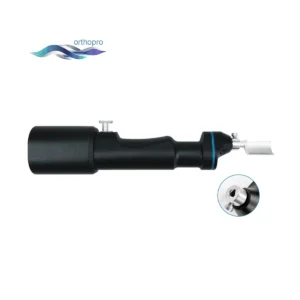
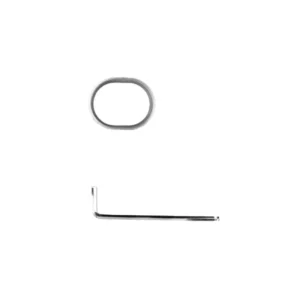


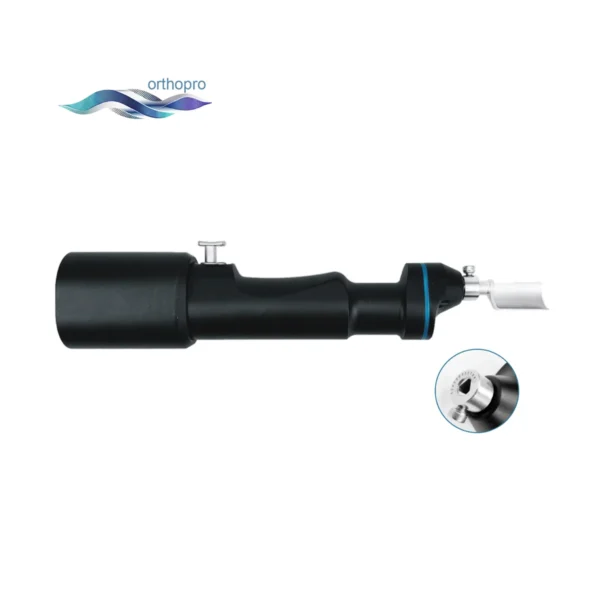
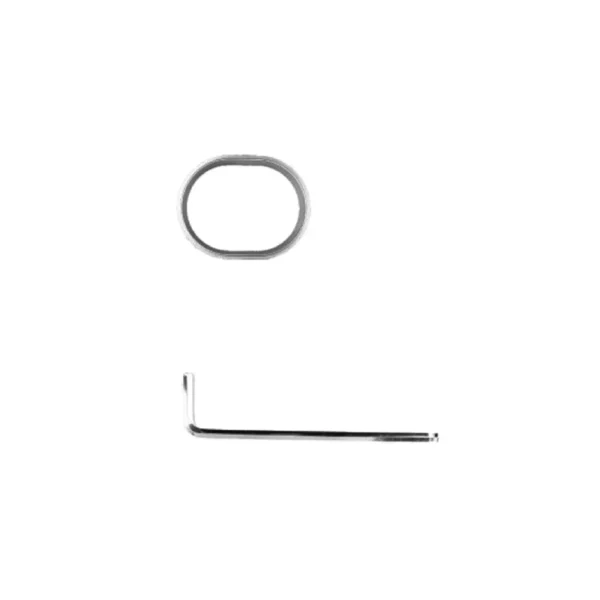


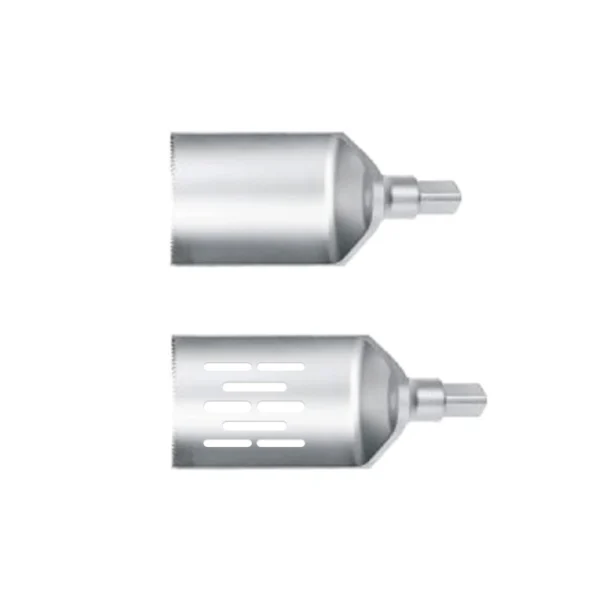
High-Performance TPLO Saw for Orthopedic Surgery | Precision Tibial Plateau Leveling Osteotomy Power Tool – OrthoPro
The OrthoPro Professional TPLO Saw is a high-precision orthopedic power tool specifically engineered for Tibial Plateau Leveling Osteotomy in patients. As a leading TPLO saw supplier, we provide this durable TPLO saw to ensure clean, radial osteotomy cuts, significantly improving surgical outcomes and pet recovery times. This orthopedic saw features a high-torque motor and ergonomic design for maximum surgical control.
Factor 1: Look Under the Hood (Materials and Core Components)
A medical power tool isn’t just a standard hardware store drill painted white. It operates in one of the harshest environments imaginable. It has to survive being covered in saline and organic matter, and then it gets thrown into an autoclave where it gets blasted with steam at 135 degrees Celsius and massive pressure.
If you are evaluating a medical bone drill supplier, you need to ask them highly specific technical questions. If their sales rep stutters or has to “get back to you in three days” for basic engineering answers, walk away.
Here are the components you need to grill them on:
The Motors
Are they using brushed or brushless motors? If they say brushed, hang up the phone. Modern surgical tools absolutely require brushless DC motors. They generate less heat, have no carbon dust shedding (which is a massive contamination risk), and offer a much higher torque-to-weight ratio.
The Sealing Technology
Autoclave steam is the ultimate enemy of electronics. How does the factory seal the motor and battery compartments? They should be using high-grade aerospace or medical silicone O-rings, and the internal electronics should be potted. Potting means filling the electronic housing with a solid compound so moisture physically cannot reach the circuit board.
The Materials
A lot of cheap factories will use lower-grade stainless steel to save a few pennies. They might use 304 stainless when they should be using 316L for parts exposed to harsh chemicals, or 17-4 PH stainless steel for drill bits and saw blades that need extreme hardness. Ask for their raw material inspection reports.
Factor 2: Real Quality Control Doesn’t Just Happen at the End
One of the biggest mistakes importers make is thinking that Quality Control (QC) is just a guy at the end of the assembly line turning the drill on and off once to see if it works.
Real quality control starts before the parts even arrive at the factory.
When you visit a factory (or do a live video audit, which I highly recommend), ask to see their Incoming Quality Control (IQC) area. How do they test the raw aluminum blocks? Do they have spectrometers to verify the metal composition?
Let’s look at a simple comparison of what standard QC looks like versus what you actually need:
| Feature/Process | The “Average” Factory | A True Reliable Manufacturer |
|---|---|---|
| Raw Material Checks | Trusts the supplier’s paper certificate | Spectrometer testing on site to verify metal grade |
| Motor Testing | Turns it on for 10 seconds | Runs the motor under simulated surgical load for hours |
| Autoclave Testing | Tests 1 out of every 500 units | 100% of units go through pressure testing; batch samples do 500+ autoclave cycles |
| Defect Tracking | Hand-written notes on a whiteboard | Digital tracking using PPM (Parts Per Million) metrics |
If you want to know their real defect rate, ask them for their Yield Rate formula and their PPM.
Here is how you calculate the true yield, just so you have the math in your back pocket:
Yield Rate (%) = (Total Units Passing Final QA / Total Units Assembled) x 100
If they tell you their yield rate is 100%, they are lying. No manufacturing process on earth is 100% perfect. A trustworthy supplier will be honest and say something like, “Our raw assembly yield is 98.5%, and the remaining 1.5% are caught during pressure testing, disassembled, and scrapped.” Honesty is what you want.
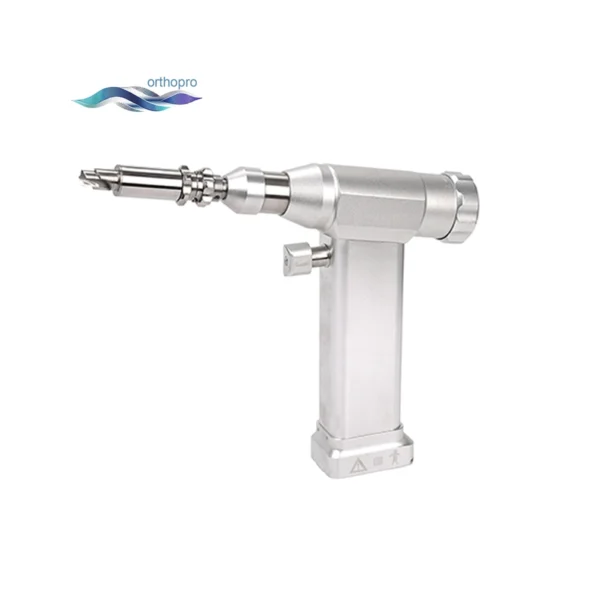
High-Precision Self-tapping Craniotomy Drill Bit for Neurosurgery and Orthopedic Implants – Medical Grade Skull Drill for Surgical Procedures
OrthoPro high-performance Self-tapping Craniotomy Drill bits are essential precision instruments designed for neurosurgery and cranial bone procedures. This Self-tapping Craniotomy Drill ensures rapid, safe bone penetration with minimal heat generation and maximum control. Engineered for global medical distributors and hospitals, our craniotomy drill solutions provide the reliability required for critical surgical environments and orthopedic implant preparation.
Factor 3: Stop Buying “Fake” OEM
Many B2B buyers search for OEM medical power tools because they want to build their own brand in their local market.
But here is the trap. A lot of overseas suppliers offer “OEM”, but what they really mean is “we will laser-print your logo on our existing cheap tool.” That is Private Labeling, not Original Equipment Manufacturing.
If you are fighting for tenders in European, North American, or competitive Asian markets, you need products that actually meet your specific regional needs. Maybe surgeons in your country prefer a pistol-grip drill rather than a pen-grip. Maybe they need a specific type of battery locking mechanism because they wear thicker surgical gloves.
A true OEM partner has an in-house R&D team. They should be able to take your rough sketch, turn it into a 3D CAD model, CNC machine a rapid prototype out of aluminum, and have it in your hands in a few weeks. They shouldn’t just be assembling parts; they should be engineering solutions.
Factor 4: Calculating the True Cost of a Bad Supplier
Let’s be real. Price is always going to be a major factor. When you present a quote to your boss or your board, the unit cost is the first thing they look at.
But chasing the absolute lowest unit price in the medical device industry is basically financial suicide. I’ve seen importers save $50 on a bone drill, only to lose a $500,000 hospital contract because the batteries failed after two months.
You need to calculate the Total Cost of Ownership (TCO). Don’t just look at the invoice price.
Use this simple formula when evaluating quotes:
Total Cost of Ownership = Unit Purchase Price + International Shipping + Duties + (Defect Rate % x Cost of Replacement/Recall) + Cost of Local Maintanence
If Factory A sells you a drill for $800 but has a 5% defect rate, and Factory B sells you a drill for $1000 but has a 0.2% defect rate, Factory B is actually much cheaper in the long run.
Every time a drill breaks in the field, you have to pay for shipping to get it back, pay a technician to look at it, and deal with an incredibly angry customer. The hidden costs of poor quality will destroy your profit margins.
A Real World Example (Because Theory is Boring)
Let me share a story about a distributor we worked with a while back. I’ll keep their name anonymous to protect their privacy, but they are a major medical equipment importer based in Eastern Europe.
They were buying trauma surgery power tools from a factory they found online. The initial samples worked great. But after about six months of bulk orders, a massive problem occured.
Hospitals started reporting that the batteries were suddenly dying mid-operation. The distributor’s phone was ringing off the hook. They tried contacting their supplier, but the supplier blamed the hospitals, claiming the nurses were “sterilizing them wrong.” Typical deflection.
The distributor was panicking. They reached out to OrthoPro looking for a reliable surgical instrument factory to replace their failing supply chain.
We asked them to send us one of the failed units. Our engineers tore it down and immediately found the issue. The previous factory had used a cheap, non-medical grade potting compound around the battery control board. When the hospital ran the batteries through the standard 135°C autoclave, the compound was slowly melting and expanding, which broke the solder joints on the circuit board. It was a ticking time bomb.
We didn’t just sell them our standard tools. We worked with them to design a custom battery housing with aerospace-grade silicone seals and a mechanical locking mechanism that prevented any internal expansion. We ran it through 500 consecutive autoclave cycles in our lab and sent them the video proof.
They switched their entire purchasing volume to us. Their defect rate dropped to almost zero, and they ended up winning back the hospitals they had almost lost.
This is the difference between a supplier who just wants your money, and a manufacturing partner who actually understands the engineering behind the product.
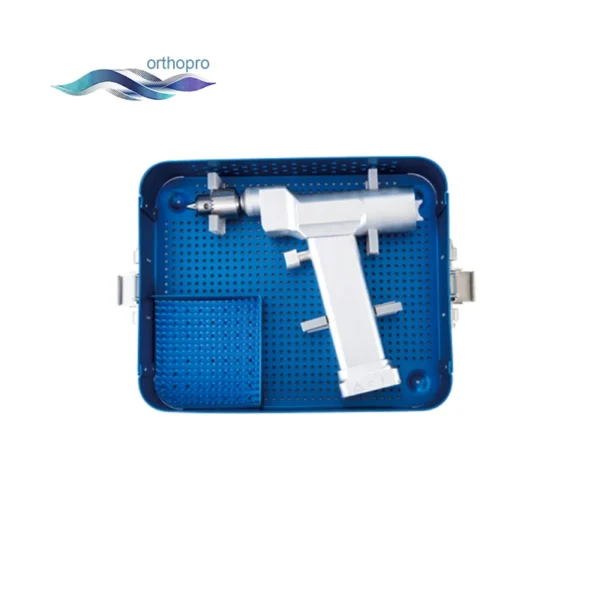
High-Quality Orthopedic Drill Sterilization Box | Aluminum Surgical Instrument Case for Medical Power Tools | Autoclavable Sterilization Tray Wholesale – OrthoPro
Our high-performance Orthopedic Drill Sterilization Box is specifically designed for the safe cleaning and steam sterilization of surgical power tools. This Aluminum Drill Sterilization Box ensures maximum protection for delicate orthopedic drills during the autoclave process. Crafted from durable medical-grade materials, this Sterilization Case features a perforated design for optimal steam penetration and drying efficiency.
How to Conduct a Bulletproof Supplier Audit
If you are ready to start talking to suppliers, do not just send a quick email asking for a price list. You need to control the conversation. Here is a practical checklist of things you should demand before signing any purchase agreements:
- Request an Unscripted Video Tour: Don’t settle for the highly-edited promotional video they have on YouTube. Ask them to jump on a WhatsApp or Zoom call and walk you through the factory floor right then and there. Ask them to show you the CNC machines actually cutting metal.
- Check Their Aging Testing Room: Every serious medical device factory has a room where products are left running continuously to test their maximum lifespan. If they don’t have this, they don’t know how long their tools will last.
- Ask for Their Standard Operating Procedures (SOPs) for Recalls: Mistakes happen. It’s a fact of life. Ask them, “If a batch of tools has a critical failure, what is your exact process for handling it?” If they say “Our tools never fail,” they are lying. You want a supplier with a documented, fast-track Corrective and Preventive Action (CAPA) process.
- Buy Samples and Destroy Them: When you get a sample, don’t just put it on a shelf. Give it to a surgeon. Ask them to use it on artificial bone. Then throw it in the autoclave. Run it through the sterilization cycle 50 times in a row. Drop it on the floor. See what breaks.
Frequently Asked Questions (FAQ)
Over the years, I get asked the same questions by purchasing managers over and over again. Here are the top three things you are probably wondering right now.
1. How long should the battery of a medical power tool last?
It really depends on the application. For heavy-duty orthopedic procedures like total joint replacements, a high-quality lithium-ion battery should easily last through an entire multi-hour surgery without needing a swap. In terms of lifespan, a good battery should withstand at least 300 to 500 autoclave cycles before showing significant degradation in charge capacity. If a supplier tells you anything less than 300, their battery housing sealing is flawed.
2. Can I use universal drill bits and saw blades with any brand’s power tool?
Usually, no. While some attachments are designed to be somewhat universal (like certain Jacobs chucks or AO quick couplings), the interfaces for saw blades and specific reamers are often proprietary. This is why working with a factory that provides comprehensive OEM services is so important. They can machine the chucks and couplings to perfectly accomodate the standard consumables your local hospitals are already using, removing a huge barrier to entry for your sales team.
3. What is a realistic lead time for a bulk order of surgical tools?
For standard, off-the-shelf models, a good factory should be able to deliver within 2 to 4 weeks depending on order volume. If you are requesting custom OEM modifications, expect the first batch to take 6 to 8 weeks due to the R&D, tooling, and strict quality validation required. If a supplier promises you a massive custom order in 7 days, they are either cutting massive corners in QC or they are just selling you old stock from a warehouse.
Ready to Stop Guessing and Start Growing?
Sourcing medical devices doesn’t have to feel like playing roulette. You don’t have to cross your fingers every time a shipment clears customs, hoping the products actually work.
You just need a manufacturing partner who speaks the language of engineering, prioritizes patient safety above all else, and understands the pressure you face as a B2B distributor.
AtOrthoPro, we don’t do smoke and mirrors. We build rugged, precise, and heavily tested surgical power tools designed to survive the toughest operating rooms in the world. Whether you need standard trauma drills or fully custom OEM solutions, we have the CNC machines, the cleanrooms, and the engineers to make it happen.
Stop dealing with trading companies that leave you in the dark. Come talk to the people actually building the tools.
If you want to see our defect data, discuss custom specifications, or just want to schedule a live video tour of our factory floor, we are ready when you are.
Take the next step in securing your supply chain.
Head over to ourContact Us page or shoot us an email directly atinfo@orthopro.mx to request a detailed technical catalog and pricing. Let’s build something reliable together.