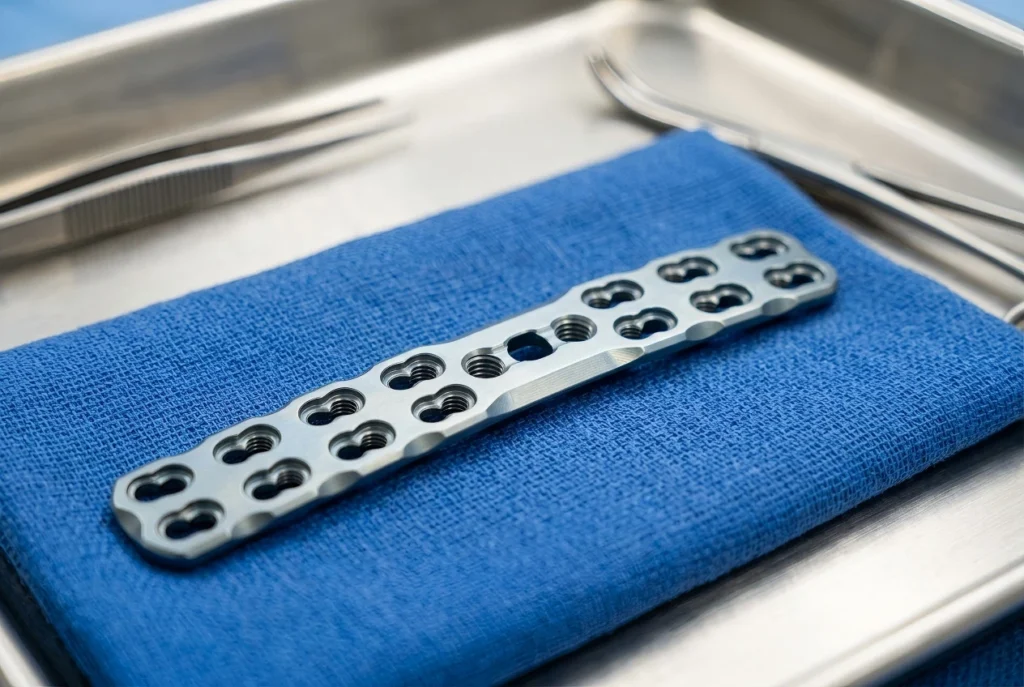
If you are buying trauma implants for distribution, you already know what’s on the line. A single fractured plate inside a patient can ruin your business overnight. Sourcing medical devices is not like buying phone cases or plastic toys from overseas. You are dealing with human biology, strict hospital regulations, and unforgiving mechanical forces.
I was digging through some recent industry data, and the global orthopedic implants market is hovering right around $50 billion right now. They expect it to cross $79 billion by the year 2035 [1]. That means alot of new players are jumping into the manufaturing game to get a piece of the pie. But more factories doesn’t mean better quality. In fact, it often means the exact opposite.
I have audited my fair share of facilities across the globe, and I can tell you that finding a true bone plate factory that actually understands biomechanics is incredibly rare. Most of them just see metal blocks and blueprints. They don’t understand the surgical reality.
Let’s talk about what actually matters when you are vetting a new partner, and how to protect your hospital clients from catastrophic failures.
The Real Cost of Mechanical Failure
Before we get into the technical stuff, you need to understand why quality control is non-negotiable.
I read a clinical study published on PMC back in 2018 regarding proximal femoral locking plates used in trochanteric fractures. Want to guess the mechanical failure rate? It hit 36 percent overall [2]. We are talking about nonunions, severe varus deformity, screw loosening, and literal implant breakage inside the human body. In older patients over 60 with unstable fractures, that failure rate jumped to a massive 60.5% [2].
Why does this happen? Sometimes it is surgeon error, sure. But very often, it is because the implant itself was manufactured with subpar metallurgy or poor threading tolerances. When a locking screw doesn’t seat perfectly into the plate, you lose the fixed-angle stability. The entire construct fails under the weight of the patient.
So when you are looking for an orthopedic implant supplier, you aren’t just comparing prices on a spreadsheet. You are trying to minimize that massive failure risk. You are buying patient safety.

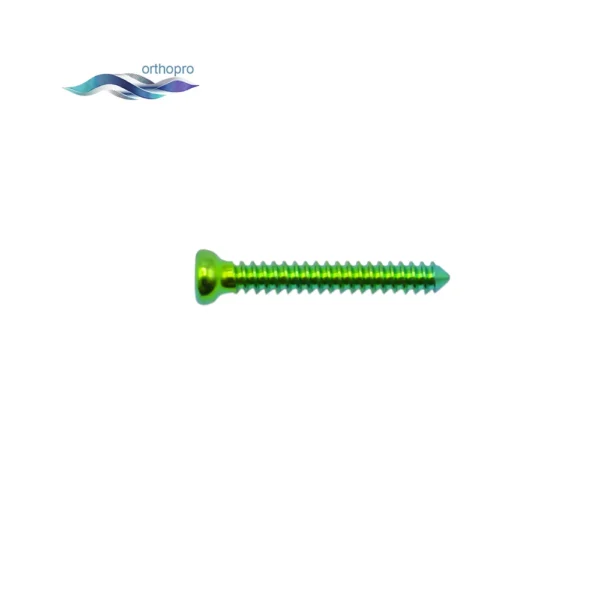
1.5mm Cortex Screw | Titanium & SS | Micro Fragment System for Hand & Maxillofacial Surgery
The 1.5mm Cortex Screw by OrthoPro is a high-precision implant designed for the fixation of small bone fragments in hand, foot, and maxillofacial surgery. As a vital component of our Micro Fragment System, this 1.5mm cortex screw features a self-tapping thread profile and a low-profile head to minimize soft tissue irritation. Our 1.5mm cortical screw offers superior holding power and reliable performance for orthopedic distributors and trauma surgeons worldwide.
A Quick History Lesson on Bone Plates
To spot a good supplier, you need to understand the product’s evolution. A long time ago, surgeons relied heavily on conventional Dynamic Compression Plates (DCP). The problem with DCPs is that they had to be pressed incredibly hard against the bone to create enough friction to hold the fracture together.
This friction choked off the periosteal blood supply. The bone underneath the plate would literally die from lack of blood, which obviously delayed healing.
Engineers fixed this by creating the Locking Compression Plate (LCP). A good manufacturing partner understands why this design exists. A locking plate doesn’t need to be compressed against the bone. The screws lock directly into the plate, creating a rigid frame (a fixed-angle construct) that hovers just over the bone or lightly touches it, preserving the blood supply.
If the sales rep you are talking to doesn’t understand this basic biomechanical concept, they have no business making medical devices.
My Controversial Take on ISO Certificates
Let me just put this out there: ISO 13485 certificates are basically just an entry ticket. A lot of B2B buyers see that ISO badge on a supplier’s website and instantly drop their guard.
Honestly? I’ve seen terrible factories hold ISO 13485 and CE marks. You can practically buy these certifications in some regions if you hire the right paperwork consultants. A certificate on the wall does not prove that their CNC machines are calibrated every morning, or that their surface anodizing bath is free of contaminants. It just proves they know how to organize folders and file paperwork for an auditor once a year.
You need to look past the certificates. You need to look at the metal.
Material Science: Titanium vs. Stainless Steel
A reliable supplier knows how to handle different raw materials without cross-contaminating them. Most trauma plates today are made from either 316L Stainless Steel or Titanium alloy (Ti-6Al-4V ELI).
If a factory is machining stainless steel and titanium on the exact same machines without insane cleaning protocols, you end up with microscopic iron embedding in the titanium plates. When that plate goes into a human body, it reacts badly.
Here is a quick breakdown of what you should expect from a competent facility:
| Material | Biocompatibility | Yield Strength | Best Application | Supplier Red Flag |
|---|---|---|---|---|
| 316L Stainless Steel | Good (but contains Nickel) | ~200-300 MPa | Standard trauma, cost-sensitive markets | Using cheap industrial steel instead of implant-grade |
| Pure Titanium (Gr 4) | Excellent | ~480 MPa | Areas needing flexibility (e.g., clavicle) | Poor anodizing leading to faded surface colors |
| Ti-6Al-4V Alloy | Excellent | ~860+ MPa | High load-bearing (femur, tibia) | No material traceability or missing mill certificates |
If your supplier can’t provide traceable mill certificates for their raw titanium from verified smelters, walk away. They are probably buying cheap scrap metal.
The Machining Reality: Combi-Holes and Threads
This is where the men are separated from the boys.
Modern locking plates use combi-holes. These are figure-eight shaped holes where one side is threaded for a locking screw, and the other side is a smooth, sloped bowl for a standard cortical screw.
Machining the threaded side of a combi-hole is incredibly difficult. The threads are tiny, usually double-lead, and need to be perfectly aligned with the angle of the plate. If an orthopedic implant supplier is using old, vibrating 3-axis CNC machines, the threads will be rough and out of tolerance.
When a surgeon drives a titanium locking screw into a roughly machined titanium plate, you get something called “cold welding” or galling. The two pieces of metal literally fuse together due to friction. The surgeon won’t be able to lock the screw all the way down, and they definetly won’t be able to take it out later. I’ve seen surgeons have to use bolt cutters in the OR because of a cheap locking plate.
Ask your potential factory what CNC machines they use. If they aren’t using high-end 5-axis machines from brands like Star, Tornos, or Citizen, their combi-holes are probably going to cause nightmares.

The Physics of Plate Stiffness
I want to get a little nerdy for a second because it proves why you can’t just trust the cheapest quote you find online.
The strength of a bone plate isn’t just about the material; it’s about the physical geometry. The bending stiffness of a rectangular plate can be calculated with a basic structural engineering formula:
I = (w * h^3) / 12
Where:
I = Area moment of inertia (Stiffness)
w = the width of the plate
h = the thickness of the plate
Look closely at that formula. The thickness (h) is cubed. That means if a shady factory decides to shave just 0.5 millimeters off the thickness of the plate to save on raw material costs, the bending stiffness doesn’t just drop a little bit—it drops exponentially.
The plate will look exactly the same to the naked eye. But the moment the patient starts doing physical therapy and putting weight on the limb, the plate bends or snaps. A good bone plate factory will never alter the design geometry to save a few pennies.
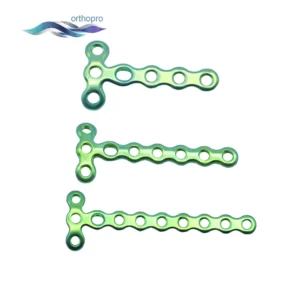
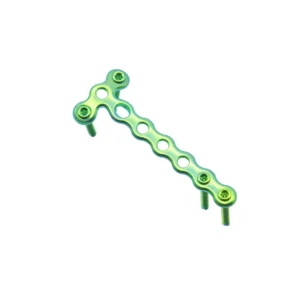
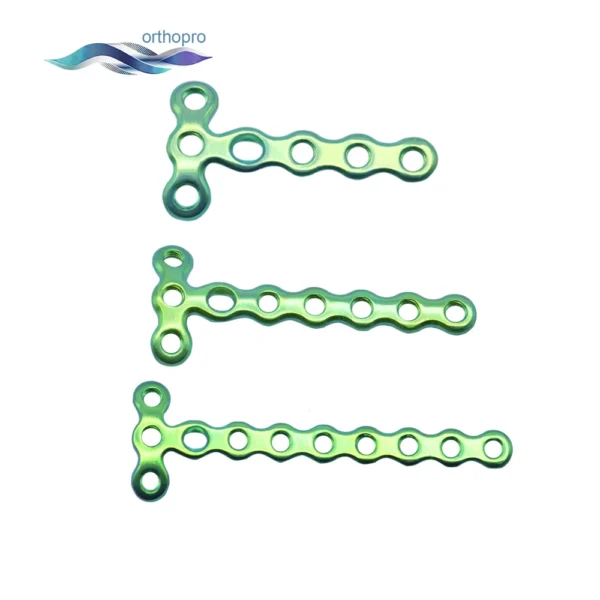
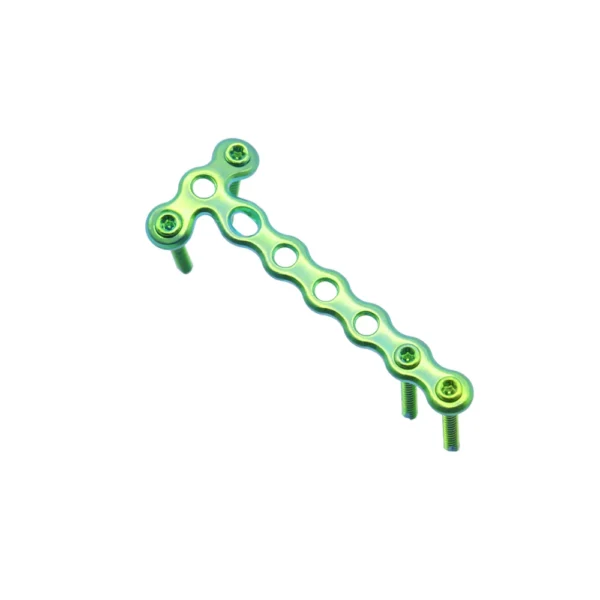
1.5mm Mini Condylar Locking Plate | Titanium Hand & Finger Fracture Implants | OrthoPro
The 1.5mm Mini Condylar Locking Plate is precision-engineered for the fixation of intra-articular and condylar fractures in phalanges and metacarpals. Featuring a low-profile anatomical design, this mini condylar locking plate ensures stable reconstruction of the joint surface while minimizing soft tissue irritation. OrthoPro supplies high-quality 1.5mm locking plates to global orthopedic distributors.
The Formula for Locking Strength
While we are talking about formulas, let’s look at why the thread mechanics matter so much. The pull-out strength of a bone screw is generally determined by this text formula:
F = L * pi * D_major * S_shear
F = total pull-out force required to rip the screw out
L = length of thread engagement in the bone
D_major = outer diameter of the threads
S_shear = the shear strength of the material (the bone)
In poor quality osteoporotic bone, the S_shear value is very low. The screw will rip right out under pressure. Locking plates solve this by locking the screw head directly into the plate, bypassing the reliance on the bone’s weak shear strength and turning the whole thing into a single fixed unit.
But this entire biomechanical advantage collapses if the threads inside the plate hole fail. That’s why I keep harping on CNC machining quality. If the factory messes up the threading, the F (pull-out force) drops to zero, and the implant fails.
Surface Treatment and Anodizing
Let’s talk about why titanium plates are different colors. The blue, green, or gold finish isn’t paint. It’s an anodic oxide layer.
By applying a specific electrical voltage to the titanium in a chemical bath, a factory can grow an oxide layer on the surface of the metal. This layer prevents corrosion and reduces tissue irritation.
But anodizing titanium requires a very clean enviroment. If their chemical baths look like a swamp in the back of a warehouse, the color on your plates will be wildly inconsistent. Worse, when hospitals put the implants through high-heat steam sterilization (autoclaving), poor anodizing breaks down. Faded plates look cheap, and surgeons hate them. If you get complaints from your hospital clients that the plates are losing their color after sterilization, your factory has terrible surface treatment protocols.
Don’t Forget the Instrument Sets
A trauma plate is useless without the right tools to put it in.
I see buyers spend months evaluating plates, but they completely ignore the surgical instruments. You can’t sell a locking plate system to a hospital without the corresponding drill guides, depth gauges, and torque-limiting screwdrivers.
The torque limiter is absolutely critical. Locking screws only need a specific amount of torque (usually around 1.5 Nm to 4.0 Nm depending on the screw size) to lock into the plate. If the factory provides cheap, uncalibrated torque limiters, the surgeon will over-tighten the screw. It will strip the threads or break the screw head off completely.
When you audit a supplier, spend just as much time looking at how they manufacture their instruments as you do their implants.

How to Actually Audit a Bone Plate Factory
So how do you actually vet these guys without getting on a plane? You don’t just look at their glossy brochure.
1. Ask for Scrap Rates
No factory has a 100% yield. If they tell you they never scrap parts, they are lying to your face. A normal scrap rate for high-precision titanium implants is between 3% and 5%. Ask them how they handle non-conforming products. Do they melt them down? Do they quarantine them?
2. Demand to see the Quality Control Lab
Do they have a CMM (Coordinate Measuring Machine)? Do they have optical profile projectors to check thread pitches at 50x magnification? If their QC lab is just a guy sitting at a desk with a rusty pair of calipers, run away.
3. Ask About Cleaning and Cleanrooms
Implants have to be ultrasonically cleaned to remove all the cutting fluids and machine oils. Then they need to be packaged in a Class 10,000 cleanroom. Ask for photos of their cleanroom and the daily particle count logs.
4. Insist on a Live Video Tour
Trading companies will always come up with excuses about “factory privacy” or “safety rules” when you ask for a video call. A real factory will happily walk out to the shop floor with their smartphone and show you titanium chips flying off the milling machines.
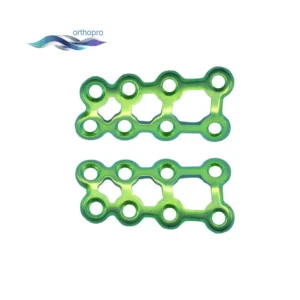
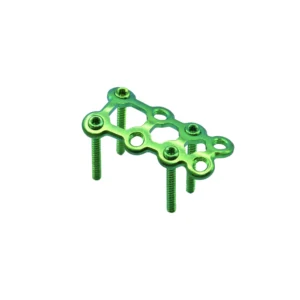
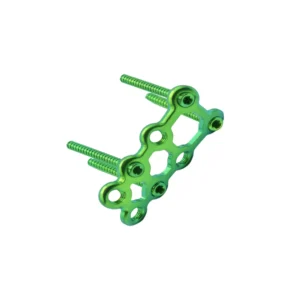


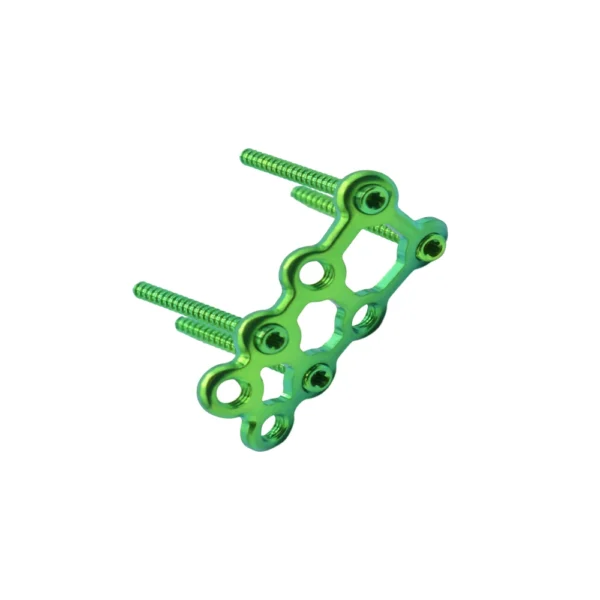
1.5mm Mini Strut Locking Plate (Oblique-angled) | Titanium Hand Fracture Implants | OrthoPro
The 1.5mm Mini Strut Locking Plate (Oblique-angled) is designed for the precise fixation of oblique and spiral fractures in phalanges and metacarpals. Featuring a unique angled geometry, this mini strut locking plate allows for optimal interfragmentary screw placement and buttressing. OrthoPro supplies these specialized 1.5mm locking plates to global orthopedic distributors, ensuring superior stability for complex small bone trauma.
A Real Sourcing Success Story
I’ll share a quick story without naming the specific client. A medical distributor down in Latin America was buying plates from a generic trading company they found online. They thought they scored a massive deal because the prices were about 30% cheaper than everyone else.
Six months later, the nightmare started. They started getting complaints from local surgeons that the T-plates for distal radius fractures were bending during insertion, and the screws weren’t sitting flush in the combi-holes. One doctor reported that the screw head snapped off while he was tightening it.
Their reputation took a massive hit, and major private hospitals threatened to cancel their supply contracts entirely.
They reached out to me for advice, and we completely overhauled their supply chain. We moved their production over to OrthoPro. The difference was night and day.
Instead of fighting with middlemen who didn’t understand engineering, they were dealing directly with a team that understood the clinical application of the implants. We audited the raw material logs, checked the 5-axis machining tolerances, and verified the anodizing process. The rejection rate dropped to zero. Surgeons noticed the plates felt “crisper” during insertion, and the distributor won back their hospital contracts within six months.
If you are looking for that level of security, you need to work with a partner who actually owns the manufacturing process and stands proudly behind the quality. You can check out a truly reliable locking plate manufacturer here to see what a proper, medical-grade catalog looks like.
Frequently Asked Questions (FAQ)
What is the biggest difference between a locking plate and a conventional plate?
A conventional plate relies on friction between the plate and the bone, created by tightening the screws down hard. A locking plate has threaded holes that lock the screw head to the plate itself, creating a fixed-angle construct. This means it doesn’t need to be compressed tightly against the bone, which preserves the blood supply and helps fractures heal much faster.
How can I tell if an orthopedic implant supplier is actually a factory or just a trading company?
Ask for a live video tour of the CNC machining floor during their working hours. Trading companies will dodge the request. A real manufacturer will gladly show you their equipment. Also, ask highly specific technical questions about their thread tolerances and anodizing voltages. Traders won’t know the answers; factory engineers will.
Why do my titanium plates fade in color after autoclaving?
This is a classic sign of a poor anodizing process. If the voltage isn’t controlled perfectly, or if the chemical bath is contaminated, the oxide layer on the titanium will be unstable. When hospitals put the implants through high-heat steam sterilization, that unstable layer breaks down and the color fades or turns splotchy. It’s a massive red flag for poor quality control.
Let’s Talk Your Next Order
Still feeling overwhelmed by the idea of auditing suppliers? I get it. Sourcing medical devices is stressful, and the stakes couldn’t be higher. But you don’t have to navigate this minefield blindly and hope for the best.
Imagine cutting your QC rejection rate completely to zero and having orthopedic surgeons actively praise the fit and finish of your trauma implants. That kind of reliability builds a distribution business that lasts decades, not just a few quarters.
If you are tired of inconsistent quality and want to partner with a factory that actually respects the engineering behind the implants, it’s time to upgrade your supply chain.
Head over to the OrthoPro contact page right now. You can also just shoot a direct message to info@orthopro.mx to discuss your specific volume needs and get a custom quote. Tell them about the issues you are having with your current supplier, and let them show you how a real manufacturing partner operates.
Don’t wait for a catastrophic implant failure to force your hand. Secure your supply chain and protect your patients today. Check out OrthoPro and get the quality your business deserves.